
Growth Mindset
Growth Mindset V Fixed Mindset
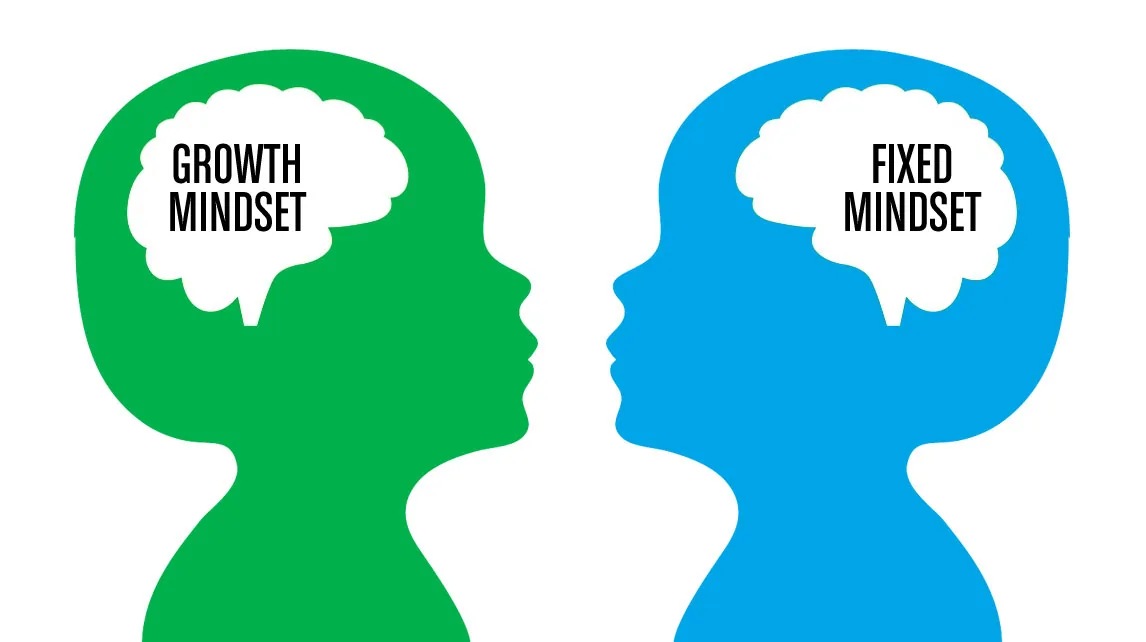 The term “Growth Mindset” was first used by Carol Dweck and popularised in her book, *Mindset: The New Psychology of Success*. In recent years, many schools and educators have started using Dweck’s theories to inform how they teach students.
Dweck’s work focusses on the difference between “fixed” and “growth” mindsets. According to Dweck, “In a fixed mindset, people believe their basic qualities, like their intelligence or talent, are simply fixed traits. They spend their time documenting their intelligence or talent instead of developing them. They also believe that talent alone creates success—without effort.” Dweck’s findings also suggest that when students with fixed mindsets fail at something, as they inevitably will, they tend to tell themselves they can’t or won’t be able to do it.
Alternatively, “In a growth mindset, people believe that their most basic abilities can be developed through dedication and hard work—brains and talent are just the starting point. This view creates a love of learning and a resilience that is essential for great accomplishment,” writes Dweck. Students who embrace growth mindsets—the belief that they can learn more or become smarter if they work hard and persevere—may learn more, learn it more quickly, and view challenges and failures as opportunities to improve their learning and skills.
Encouraging Failure (F.A.I.L.)
In early years education, children will inevitably experience failure on a regular basis as it is rare for any of us to do something new on our first attempt. At this young stage we can foster a growth mindset by teaching that failure is an important part of learning and not the end point. FAIL - First Attempt In Learning. This applies to anything from learning to ride a bike, to learning to read or learning quadratic equations!
Promoting Tinkering
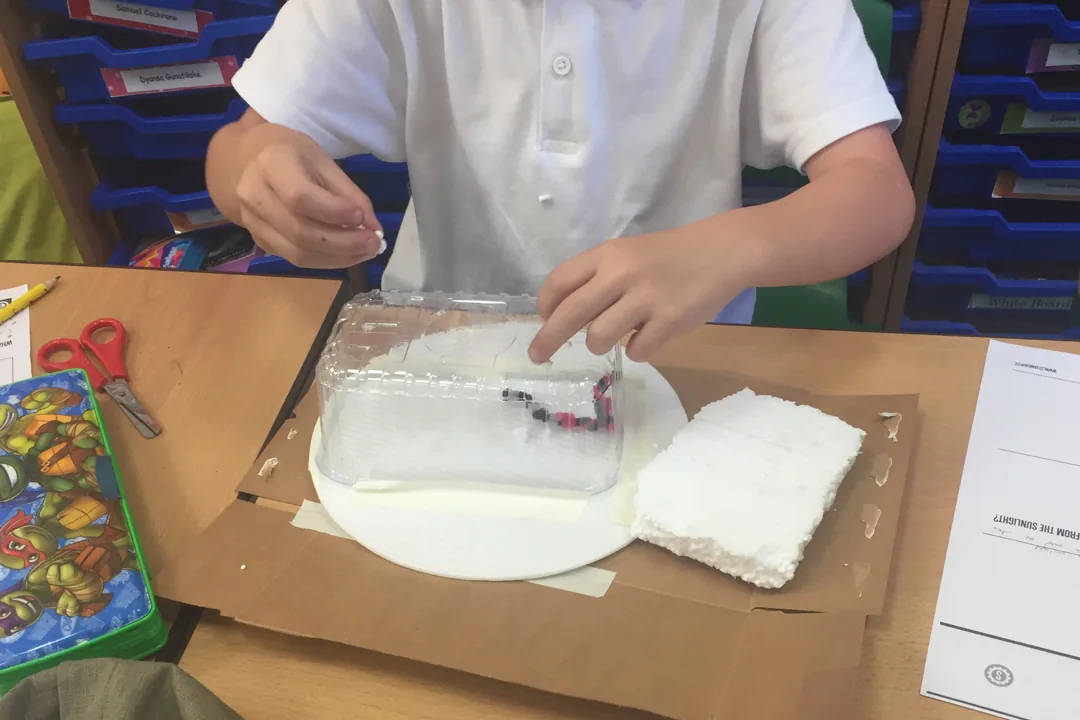 Encouraging tinkering in any form - junk modelling, inventing, experimenting, enables us to explore without a fixed aim or solution. It’s a great way of discovering a solution to a challenge.
In the context of learning, tinkering is part of a hands-on, trial and error-based process that rewards persistence, resourcefulness, and self-sufficiency.
In the classroom, tinkering and making enable teachers to create environments where learning though doing or play is the norm. This form of learning helps develop a range of skills that engage students and prepare them for life and careers in the real world.
With tinkering, there is no right or wrong answer or correct outcome to a project, each student can approach the challenge in their own way, so this method of learning is much more accessible to a wider range of students who may feel overwhelmed or dis-engaged from more traditional academic text-book learning.
Mindfulness
While mindfulness is distinctly different to Mindset, they both go hand in hand to foster a positive learning environment.
Mindfulness refers to a form of awareness whereby one observes and non-judgementally pays attention to thoughts and feelings as well as being cognisant of what is happening outside the body in the world. A mindfulness practice can help loosen the grip of habitual, self-limiting, and ‘fixed’ ways of thinking about and responding to ourselves and other students in the classroom.
Teachers can play a big part in fostering their students mindfulness, firstly from the way they use praise and feedback - if a student learns that a teacher values effort, learning from mistakes and perseverance they are more likely to be motivated and enjoy and embrace the learning process.
A mindful teacher also recognises their own mindset and is likely to be more observant at spotting a students individual strengths and focus less on their limitations.
Mindfulness training can also decrease activity in those areas of the brain associated with anxiety, worry, and impulsivity.
Academic Benefits
A growth mindset is the biggest asset for future career success.
Environments that focus on intelligence and achievements can lead to failure-avoidance whereby students would rather not try at all than risk failure and humiliation. If students are taught that effort and persistence are key they are more willing to keep trying until they are successful and ultimately learn more and progress further.
Students with a growth mindset are more likely to embrace working in teams all sharing unique ideas to help complete a challenge.
Mental Health Benefits
By removing any negative connotations associated with failure, students are more likely to embrace and enjoy the learning process. The are free to enjoy a new activity even if they aren’t very good at it. They won’t feel bad when they get something wrong which will improve their self esteem and remove any stress and anxiety.
In a study performed by Baer, Grant, and Dweck (2005), students in the fixed mindset had higher levels of depression because they ruminated over problems and setbacks. In another report from researchers at Duke University, there was a strong link found between anxiety and depression among females who aspire to “effortless perfection.”
STEAMShip & Growth Mindset
 Growth Mindset philosophies are ingrained in all of STEAMShip’s projects. Nurturing future STEAM specialists demands that the students we work with are prepared to explore, investigate and question everything without worrying about failure. To solve some of the real world problems the future may present us with, we need inquisitive minds who will be ready to try new ideas and question any old assumptions to create breakthrough technologies and solutions.